How Foundry Services Impact Quality Metal Manufacturing
Foundry services play a pivotal role in the field of metal fabrication. They facilitate the conversion of raw materials into premium-quality components through accurate casting and molding processes. Skilled professionals are essential in this procedure, as they strive to reduce defects and enforce stringent testing. Recognizing how these services contribute to overall product quality opens the door to exploring their more extensive implications in operational efficiency and market competitiveness. What lies beyond this initial foundation?
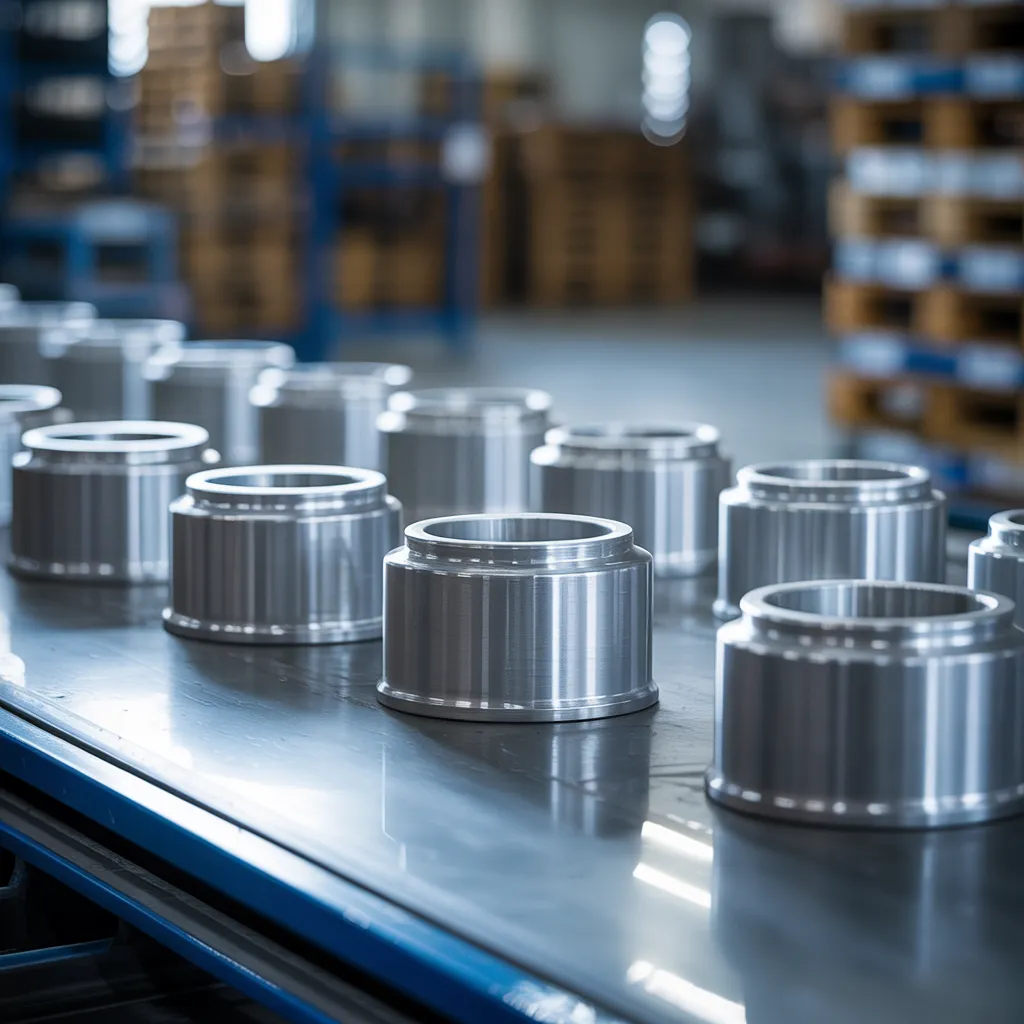
Understanding the Essential Role of Foundry Services in Metal Manufacturing
While many may overlook the importance of foundry services, they play an essential role in the metal manufacturing industry. Foundry services involve diverse processes, including casting, molding, and finishing, which are essential for producing high-quality metal components. These services facilitate the transformation of raw associated article materials into usable forms, allowing manufacturers to create intricate shapes and designs that satisfy specific industry standards.
In addition, foundry services enable the production of a broad spectrum of metals, for example aluminum, steel, and bronze, each demanding specialized techniques and expertise. The precision obtained through these services not only improves the performance of final products but also adds to the overall efficiency of manufacturing operations. By understanding the fundamental role of foundry services, stakeholders in the metal manufacturing sector can recognize how these processes underpin the creation of dependable, durable components, in the end influencing the success of various applications in different industries.
Key Advantages of Foundry Services for Securing Quality Control
Foundry services significantly improve quality control in metal manufacturing, as they employ accurate techniques and demanding standards throughout the manufacturing process. A primary advantage is the expertise of skilled professionals who monitor every stage, securing adherence to specifications and minimizing defects. Furthermore, foundry services implement rigorous testing methods, including dimensional checks and material analysis, which verify the quality of the produced components.
Another significant advantage is the use of cutting-edge materials and techniques tailored to specific applications, leading to better durability and performance of the final products. Consistency is also obtained through consistent methods that reduce variability, maintaining uniformity in production.
Moreover, foundry services facilitate streamlined feedback loops, permitting prompt identification and correction of issues, thus enhancing overall product dependability. Eventually, these aspects lead to a greater level of customer approval and trust, making foundry services vital for achieving and sustaining quality control in metal production.
How Does Technology Enhance Foundry Services Benefits?
Technology greatly advances foundry services by introducing advanced casting techniques that improve precision and efficiency. Moreover, real-time quality monitoring systems provide immediate feedback and adjustments, confirming that manufacturing standards are consistently met. These technological advancements not only streamline processes but also enhance the overall quality of metal products.
Sophisticated Casting Strategies
As sectors develop, modern casting processes develop as a essential component in elevating the benefits of foundry services. These techniques, including investment casting, lost foam casting, and 3D printing, utilize advanced technology to enhance precision and minimize waste. By implementing modern materials and automated processes, manufacturers can accomplish complex geometries that were previously unattainable. This not only enhances the quality of the final products but also minimizes lead times, providing faster market responsiveness. Additionally, these approaches enable customization, permitting clients to obtain personalized solutions that satisfy specific requirements. Overall, the adoption of sophisticated casting technologies considerably streamlines production efficiency and quality assurance, establishing a competitive edge for foundry services in the metal manufacturing landscape.
Real-Time Performance Tracking
In modern metal manufacturing, the integration of real-time quality monitoring systems greatly enhances the effectiveness of foundry services. These systems leverage advanced sensors and data analytics to continuously assess production processes, making certain that specifications are met at every stage. By providing immediate feedback, manufacturers can promptly identify and address defects, reducing waste and improving overall efficiency. This proactive approach reduces downtime and elevates product quality, ultimately generating higher customer satisfaction. Moreover, real-time monitoring enables manufacturers to maintain compliance with industry standards and regulations. As a result, the adoption of these technologies not only enhances the foundry's operational capabilities but also reinforces its competitive edge in the market.
Boosting Product Durability and Performance Through Foundry Services
As numerous sectors pursue cutting-edge approaches to improve product longevity and functionality, foundry services emerge as an essential component in achieving these objectives. By employing advanced casting techniques and materials, foundries can create components with outstanding strength and resilience. The use of premium alloys and precision casting processes assures that the final products can withstand severe conditions and stresses, significantly extending their lifespan.
Additionally, foundry services incorporate strict quality control measures throughout the manufacturing process, verifying that each component meets stringent performance specifications. This attention to detail not only enhances the durability of the products but also enhances their functionality in diverse applications. Additionally, custom foundry solutions permit tailored designs that address specific industry requirements, further enhancing overall performance. In this way, foundry services play a critical role in improving the durability and effectiveness of metal products across various sectors, from automotive to aerospace.
The Financial Benefits of Investing in Professional Foundry Services
Committing to professional foundry services can yield substantial financial benefits for businesses seeking to upgrade their manufacturing capacity. By employing expert knowledge and advanced equipment, companies can lower production costs through better efficiency and decreased waste. Professional foundries frequently provide customized solutions that optimize the design and manufacturing process, producing premium-quality products that comply with strict industry standards.
Additionally, outsourcing foundry services allows businesses to concentrate on core competencies, releasing resources for innovation and growth. This strategic investment can also result in faster turnaround times, empowering companies to respond rapidly to market demands. In addition, the expertise of professional foundries can minimize the risk of costly errors, which often result from inexperienced handling of complex metal formulations. In the end, the financial implications of investing in professional foundry services transcend immediate cost savings, fostering long-term sustainability and competitive advantage in the manufacturing landscape.
Real-Life Success Stories of Foundry Services in Metal Manufacturing
Success stories abound in the realm of metal manufacturing, showcasing how companies have revolutionized their operations through the use of professional foundry services. One noteworthy example is a leading automotive manufacturer that faced production delays due to inconsistent metal quality. By partnering with a specialized foundry, they optimized their supply chain efficiency and significantly reduced defects, achieving a 30% increase in production output.
In a similar fashion, a machinery firm struggling with high costs and material waste moved to a foundry celebrated for its precision casting abilities. This cooperative effort not only cut material expenses but also improved product durability, producing a 25% boost in customer satisfaction ratings.
These examples illustrate that investing in professional foundry services can generate significant operational enhancements, cost efficiencies, and superior product quality. Such success stories highlight the critical role that foundry services play in the competitive landscape of metal manufacturing.
FAQ
What Types of Metals Are Typically Used in Foundry Services?
Foundry processes generally use various metals, including cast iron, aluminum, bronze, and steel. These materials are opted for for their specific properties, which contribute to the strength, durability, and performance of the final cast products.
How Should I Pick the Right Foundry Service Provider?
To choose the right foundry service provider, one should evaluate their track record, technology, quality certifications, and customer reviews. Comparing pricing and lead times can also guarantee alignment with specific project requirements and expectations.
What Challenges Are Commonly Faced in Foundry Services?
Typical challenges in foundry services include irregular material quality, equipment maintenance concerns, labor shortages, shifting raw material costs, and regulatory compliance. These factors can greatly impact manufacturing efficiency and the overall quality of metal castings.
How Much Time Does the Foundry Process Typically Require?
Foundry operations typically require anywhere from weeks to months, depending on the complexity of the design, chosen materials, and volume of production. Variables including mold preparation and finishing processes can substantially influence the entire duration.
Do Foundry Services Support Environmental Sustainability?
Foundry operations can be environmentally friendly when employing sustainable practices, such as material recycling and implementing energy-efficient technologies. However, the complete impact relies on individual processes and adherence to environmental regulations within the industry.